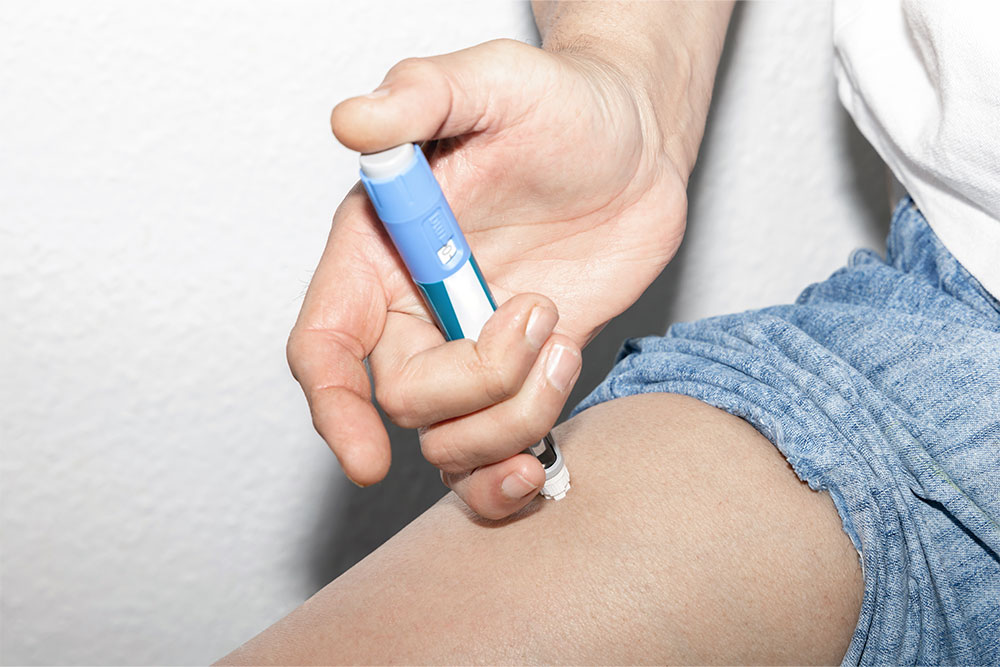
Weight loss has always been a topic that comes with a lot of noise, conflicting advice, and products that promise more than they deliver, but the conversation has shifted meaningfully in the past few years as a new class of medications called GLP-1 receptor agonists has entered the mainstream. If you’ve been wondering what is the best weight loss injection for your specific situation, the honest answer is that it depends on your health history, your goals, and a thoughtful conversation with a doctor who actually knows you rather than a quick prescription from an online platform with no follow-up.
GLP-1 medications like semaglutide (sold as Wegovy and Ozempic) and tirzepatide (sold as Zepbound and Mounjaro) work by mimicking a hormone in the gut that signals fullness, slows digestion, and reduces appetite in a way that makes it significantly easier to eat less without the constant hunger that makes most traditional diets so hard to stick with. When used alongside a reduced-calorie diet and increased physical activity, these medications have shown meaningful and sustained weight loss in clinical trials, which is why they’ve become such a widely discussed option for people who have struggled with weight management despite genuine effort.
That said, these aren’t medications to start casually or without proper medical oversight. They come with real side effects including nausea, digestive discomfort, and in some cases more serious considerations, and they’re approved for specific groups of patients based on BMI and related health conditions rather than for general use. The FDA’s guidance on GLP-1 weight loss medications is worth reviewing because it makes clear that compounded or unapproved versions of these drugs carry real safety risks that many people aren’t aware of when they’re shopping for the cheapest available option online.
One of the biggest advantages of working with a direct primary care provider for weight management is that you get ongoing, personalized oversight rather than a one-time prescription and a follow-up in three months. Starting a GLP-1 medication involves dose adjustments over several weeks, monitoring for side effects, assessing how your body is responding, and making adjustments to your nutrition and activity habits along the way. That kind of continuous support is what separates a successful outcome from a frustrating experience where someone starts the medication, feels sick, and quits before giving it a real chance to work.
A good primary care doctor will also take the time to understand why weight management has been difficult for you specifically, whether there are hormonal, metabolic, or behavioral factors at play, and whether a GLP-1 injection is actually the right tool for your situation or whether there are other approaches that would serve you better first. The research published in NIH’s PMC clinical review of GLP-1 receptor agonists highlights how the response to these medications varies significantly between individuals and how combining them with lifestyle changes produces better long-term results than relying on the medication alone.
Weight loss is genuinely hard for a lot of people, and that difficulty is real and well-documented, and GLP-1 medications have given many patients a real tool that helps them make progress in a way they couldn’t before. But the best outcomes come from using these medications as part of a broader care relationship with a provider who understands your full health picture, checks in with you regularly, and helps you build the daily habits and mindset that will support truly lasting results even as your treatment plan evolves and your health goals shift over time.