Sizing an aluminum framing kit takes more than measuring the outside dimensions of the structure. The frame also has to carry its expected load, stay stiff across open spans, support mounted components, and fit the way the equipment will actually be used. A kit that looks right on paper can still feel undersized once real operating forces are added.
Start With the Load the Frame Has to Carry
The first sizing question is simple: what will sit on the frame? Machine components, fixtures, shelves, controls, panels, motors, tooling, and stored parts all add weight. The total matters, but load location matters just as much.
A concentrated load placed near the center of a long beam can cause more bending than the same weight spread across several supports. That is why profile size cannot be chosen from total weight alone. Engineers also look at span length, support spacing, and the direction of the force. The selected aluminum framing material needs enough stiffness to keep movement within an acceptable range for the application.
Span Length Can Change the Profile Choice
Longer unsupported sections usually bend more than shorter ones under the same load. A narrow profile may work well across a compact workstation but feel too flexible across a wider machine base. Adding a center leg or cross member can sometimes solve the problem without increasing every profile in the structure.
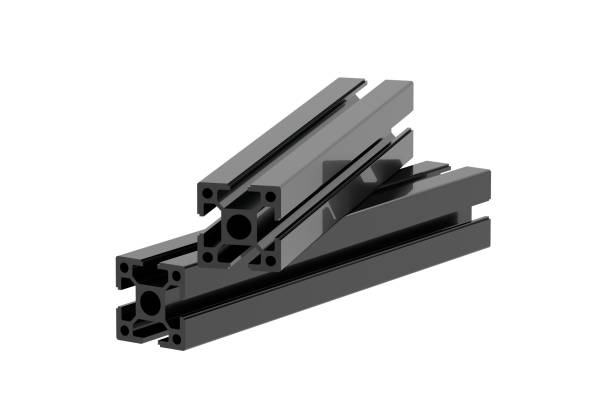
Profile orientation also matters. Many extruded aluminum T slot sections resist bending better in one direction than another because of their shape. Turning the profile so its deeper section faces the main load can improve stiffness without adding more material. That detail often gets missed when kits are sized by outside dimensions alone.
The Frame Has to Handle More Than Static Weight
Stationary weight is only part of the job in many industrial builds. Conveyors start and stop. Doors swing. Slides move back and forth. Casters roll across uneven floors. Motors and actuators introduce vibration. Those forces can place extra stress on joints and supports.
A T slot extrusion frame used around moving equipment may need additional bracing or a larger profile even when the static load looks manageable. Repeated motion can also expose loose connections that would not show up during a simple bench test.
Dynamic loading does not automatically mean the largest available profile is required. It means the sizing process needs to reflect how the structure will behave during real use rather than only while standing still.
Connection Points Affect Overall Frame Strength
Profiles get most of the attention, but joints often decide how rigid the finished frame feels. Brackets, internal connectors, joining plates, and fasteners transfer force from one rail to the next. A strong profile joined with the wrong hardware can still produce a flexible corner.
MiniTec Aluminum Framing uses compatible connection components designed around the profile system. That helps keep joint geometry consistent, but the location and number of connections still matter. Tall frames, wide openings, and cantilevered sections may need additional reinforcement at corners or intersections.
The same principle applies to T slot aluminium extrusion used for guarding or enclosures. A lightweight panel frame may need less joint reinforcement than a support carrying a motor, door, or work surface. Sizing should match the load path rather than treating every connection the same.
Mounted Accessories Can Change the Required Size
Accessories do not always look significant during the early design stage, yet they can affect profile selection. A monitor arm, shelf, control box, pneumatic valve assembly, or door can create an off-center load. That force may twist a vertical post even if the total added weight is modest.
MiniTec extruded aluminum framing makes it easy to move accessories along the slot, which is useful during setup. Still, the profile beneath those components must have enough stiffness for their final position. A part mounted close to a support behaves differently from the same part hanging farther away.
Future accessories deserve some thought too. If a workstation is likely to gain another shelf or an enclosure may later carry more controls, leaving a reasonable amount of structural capacity can prevent a full rebuild.
Base Stability and Mobility Need Their Own Check
A frame can have strong members and still feel unstable if its base is too narrow or poorly supported. Tall structures with heavy components mounted high can become top-heavy. Wide doors and cantilevered arms can shift the center of gravity toward one side.
Fixed frames may rely on leveling feet, floor plates, or anchors to stay stable. Mobile builds add another set of concerns. Caster placement, wheel capacity, braking, and floor conditions all influence how the frame behaves while moving.
An aluminum framing kit intended for a cart should therefore be sized around the loaded condition, not the empty frame. Lowering heavy components and spreading wheel locations can improve stability without simply increasing profile size everywhere.
Good Sizing Balances Strength, Stiffness, and Practical Use
Oversizing every rail can add cost and bulk without improving the design where it matters. Undersizing creates the opposite problem, especially where long spans, moving loads, or concentrated forces are involved. The better approach is to match each section of the frame to its actual job.
That may mean heavier profiles under machinery and lighter members around guarding. It may also mean extra cross supports instead of one oversized beam. Suppliers familiar with modular systems can help compare profile sizes, connection methods, and cut lengths before parts are ordered. MiniTec Solutions is one source for MiniTec Aluminum Framing components, custom-cut profiles, and design assistance for projects where kit sizing depends on load, span, accessories, and the way the finished structure will be used.