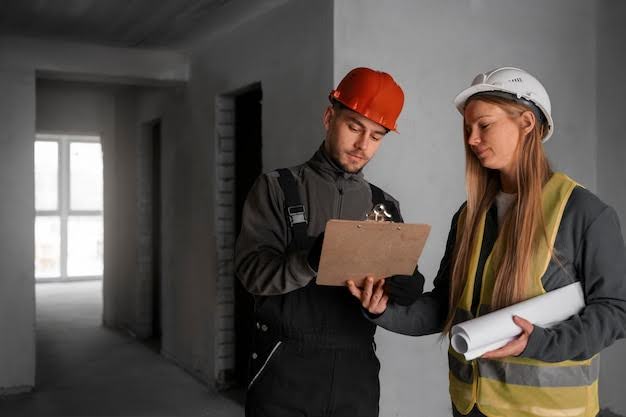
Purchasing a home is one of the most significant investments most people will make in their lifetime. To protect that investment, a thorough buyer’s home inspection is crucial. However, the effectiveness of this inspection largely depends on the qualifications and expertise of the inspector you choose. Here’s how to select the right inspector for your buyer’s home inspection.
1. Check Credentials and Certifications
When it comes to a buyers home inspection, you want to ensure that the inspector is qualified and certified. Look for inspectors who have credentials from reputable organizations, such as the International Association of Certified Home Inspectors (InterNACHI) or the American Society of Home Inspectors (ASHI).
These organizations enforce high standards for professional conduct and require ongoing education. A certified inspector is more likely to be up-to-date with industry practices and local building codes, providing you with detailed insights during your buyer’s home inspection.
2. Experience Matters
Experience is another critical factor to consider when selecting an inspector for your buyer’s home inspection. An inspector who has conducted numerous inspections in your local area will be familiar with specific issues that older homes or homes in particular neighborhoods may face.
Asking about their years in the business and the number of inspections they have performed can provide you with confidence that they have the experience to identify potential problems. A seasoned inspector can offer valuable insights, helping you make an informed decision about your purchase.
3. Comprehensive Services Offered
Different inspectors may offer varying levels of service during a buyer’s home inspection. It’s essential to choose an inspector who provides a thorough examination of the home, covering all key components such as the roof, foundation, electrical systems, plumbing, and HVAC systems.
Some inspectors also offer additional services, such as radon testing, mold inspections, or infrared imaging. Depending on the home’s age and condition, these services can provide a more comprehensive view of potential issues. Before making your selection, ensure the inspector can meet your specific needs.
4. Read Reviews and Testimonials
Client feedback can be incredibly insightful when choosing an inspector for your buyer’s home inspection. Take time to read reviews and testimonials on reputable sites, such as Google, Yelp, or the inspector’s own website. Positive reviews from past clients can offer a glimpse into the inspector’s professionalism, thoroughness, and helpfulness.
Conversely, negative reviews may alert you to potential red flags. Consider reaching out to past clients directly to gather more personalized insights into their experiences.
5. Clear Communication and Availability
Communication is key when it comes to a buyer’s home inspection. The best inspectors are not only thorough but also capable of clearly explaining their findings to you in an understandable manner. When interviewing potential inspectors, take note of how well they communicate.
Are they willing to answer your questions and provide explanations? Also, consider their availability to conduct the inspection on your desired timeline. An inspector who is responsive and available can help ensure a smoother process during your home-buying journey.
Conclusion
In conclusion, choosing the right inspector for your buyer’s home inspection is a vital step in the home-buying process. By checking credentials, considering experience, understanding the services offered, reading reviews, and assessing communication skills, you can ensure you select an inspector who will provide a comprehensive evaluation of the property.
Taking the time to make an informed decision can save you significant stress and financial challenges in the long run, helping you protect your investment and make the right choice for your future home.